CIX Carbon Marketplace
CIX Carbon Marketplace
CIX is a carbon exchange and marketplace founded
by DBS, SGX, Temasek, and Standard Chartered. Our goal was to enable organisations to purchase high‑quality, verified carbon credits directly, without relying on brokers. As the Design Lead, I worked with researchers,
UX designers, and business stakeholders to define and deliver a launch-ready MVP that simplifies a complex, trust‑sensitive purchase journey.
CIX is a carbon exchange and marketplace founded by DBS, SGX, Temasek, and Standard Chartered. Our goal was to enable organisations to purchase high‑quality, verified carbon credits directly, without relying on brokers. As the Design Lead, I worked with researchers, UX designers, and business stakeholders to define and deliver a launch-ready MVP that simplifies a complex, trust‑sensitive purchase journey.
CLIENT: DBS
DBS
YEAR: 2021
2021
ROLE: DESIGN LEAD
DESIGN LEAD
The Problem
The Problem
The voluntary carbon market is niche and fragmented. Buyers struggle to assess quality, compare projects, and satisfy procurement and compliance needs. Sellers want accurate representation and reach, without losing control of their story. We had three months, a lean team, and no prior domain expertise.
The voluntary carbon market is niche and fragmented. Buyers struggle to assess quality, compare projects, and satisfy procurement and compliance needs. Sellers want accurate representation and reach, without losing control of their story. We had three months, a lean team, and no prior domain expertise.
With a lean team, I often had to take on dual roles; leading design while doubling as scrum master. From running sprint planning and showcases to unblocking issues,
I kept delivery on track while iterating designs based on user insights and business needs. All these were made possible due to the initial structure that we put in place.
With a lean team, I often had to take on dual roles; leading design while doubling as scrum master. From running sprint planning and showcases to unblocking issues,
I kept delivery on track while iterating designs based on user insights and business needs. All these were made possible due to the initial structure that we put in place.
Over 3 months,
we navigated a packed scope:
Over 3 months, we navigated a packed scope:
Deep-dive research
Multi-region user testing
MVP design and iteration
Brand alignment
Delivery of one of the world’s first
self-service carbon credit marketplaces
Deep-dive research
Multi-region user testing
MVP design and iteration
Brand alignment
Delivery of one of the world’s first
self-service carbon credit marketplaces
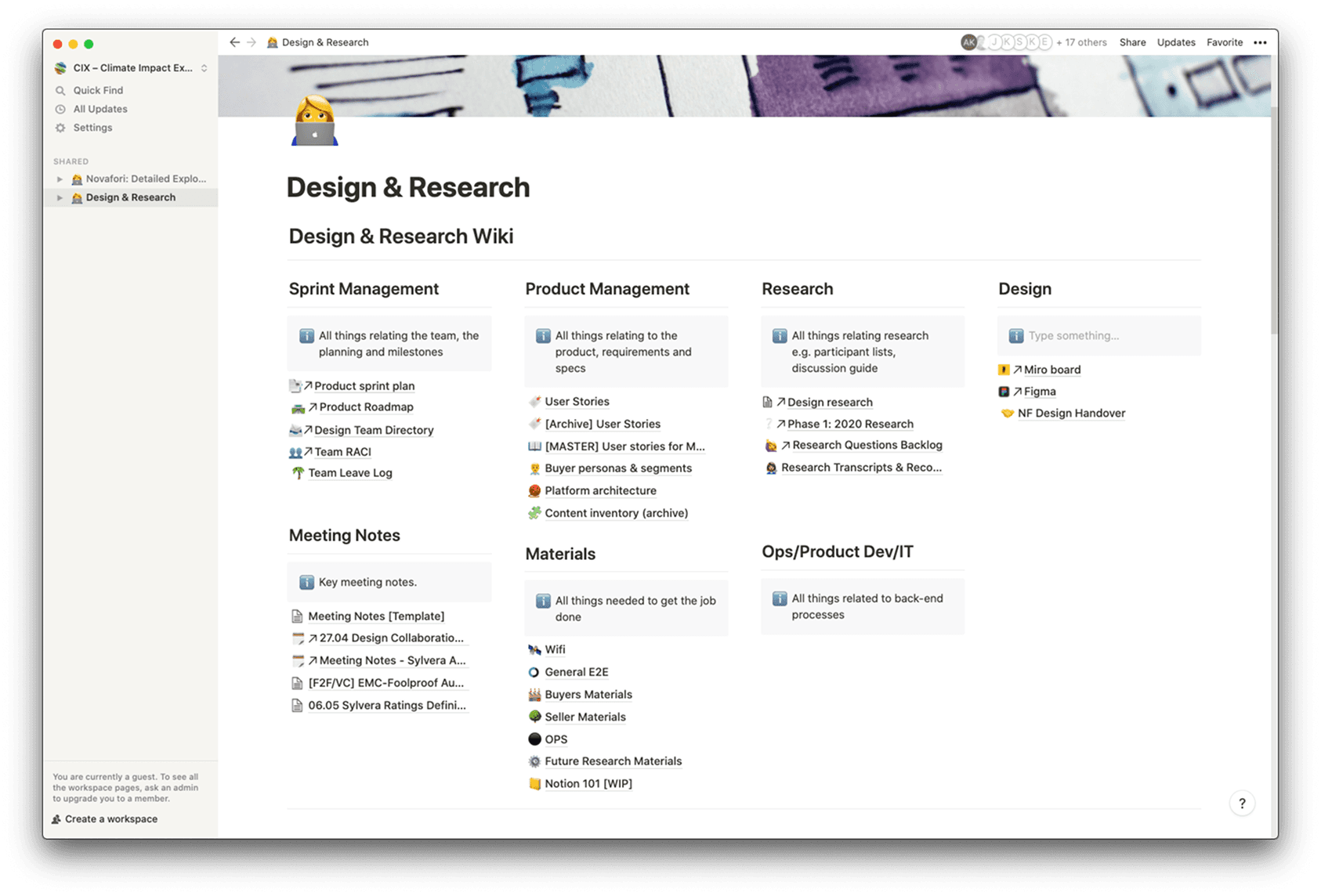
In order to do so, we had to start by establishing a structured workflow to manage knowledge, align milestones, and keep everyone from business stakeholders to developers, on the same page.
Apart from daily stand-ups, we decided on building a workspace within Notion to be our single source of truth. This gave us visibility into sprint goals, deliverables, and dependencies, ensuring accountability and to not lose track.
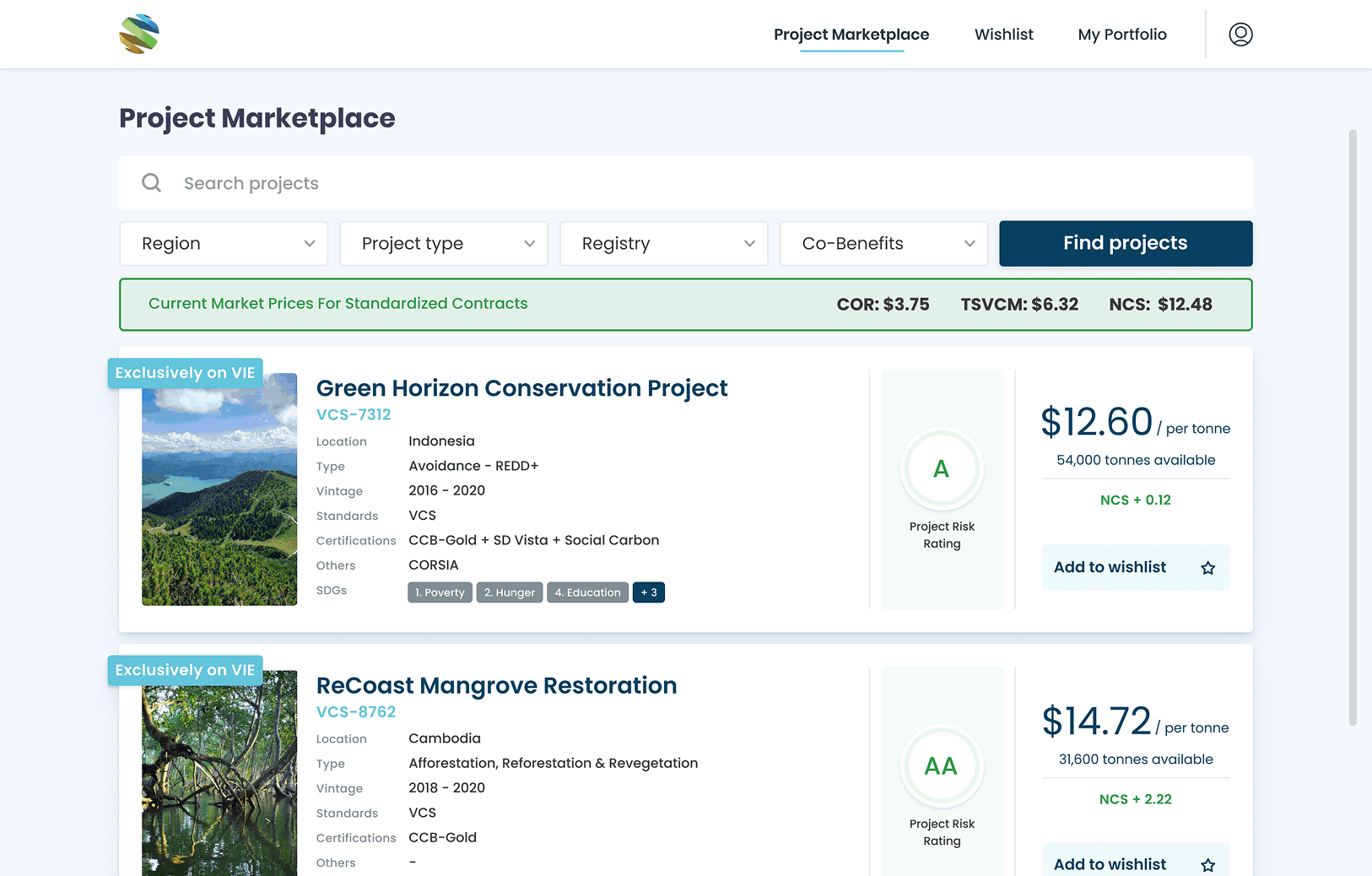
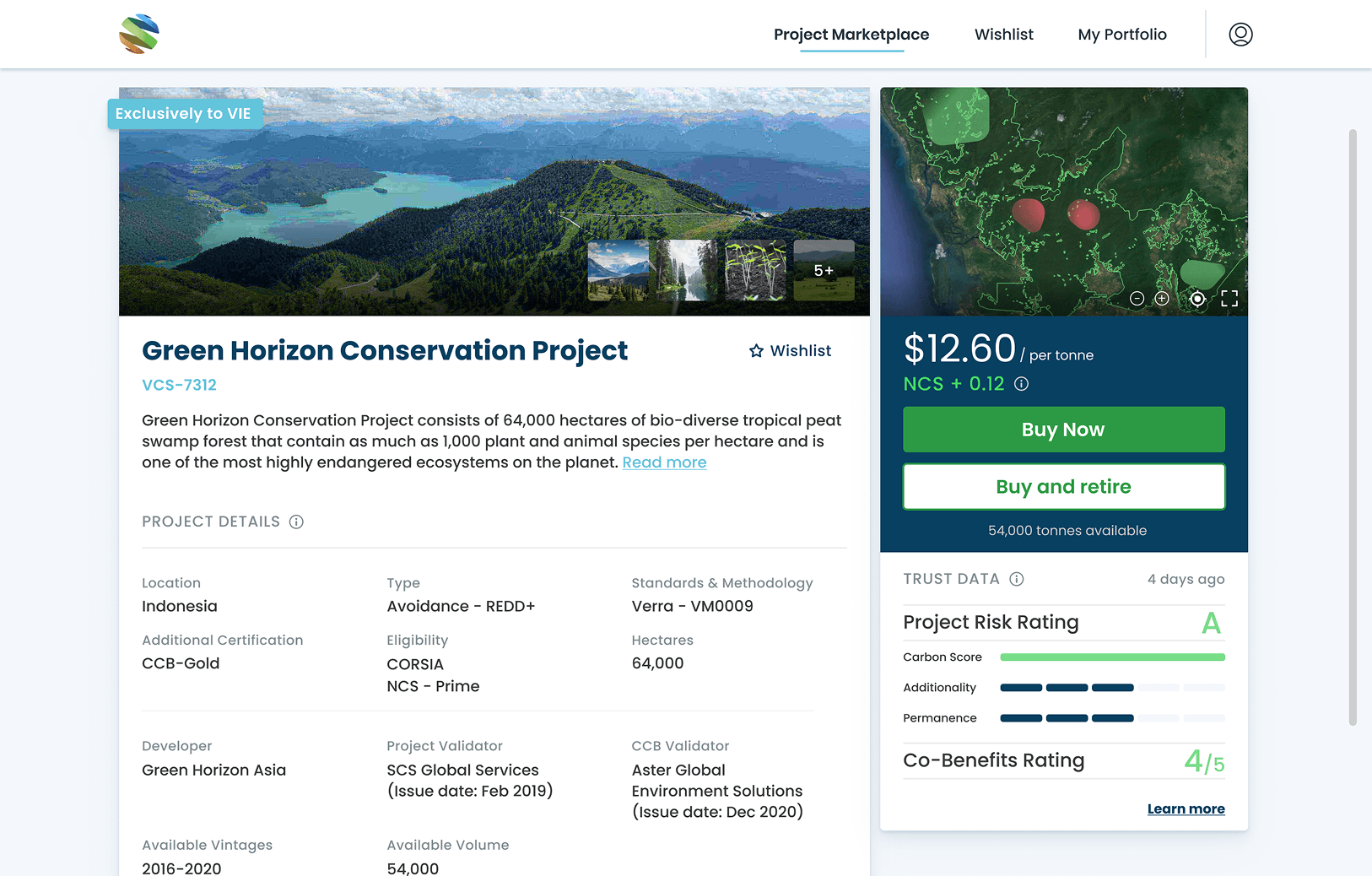
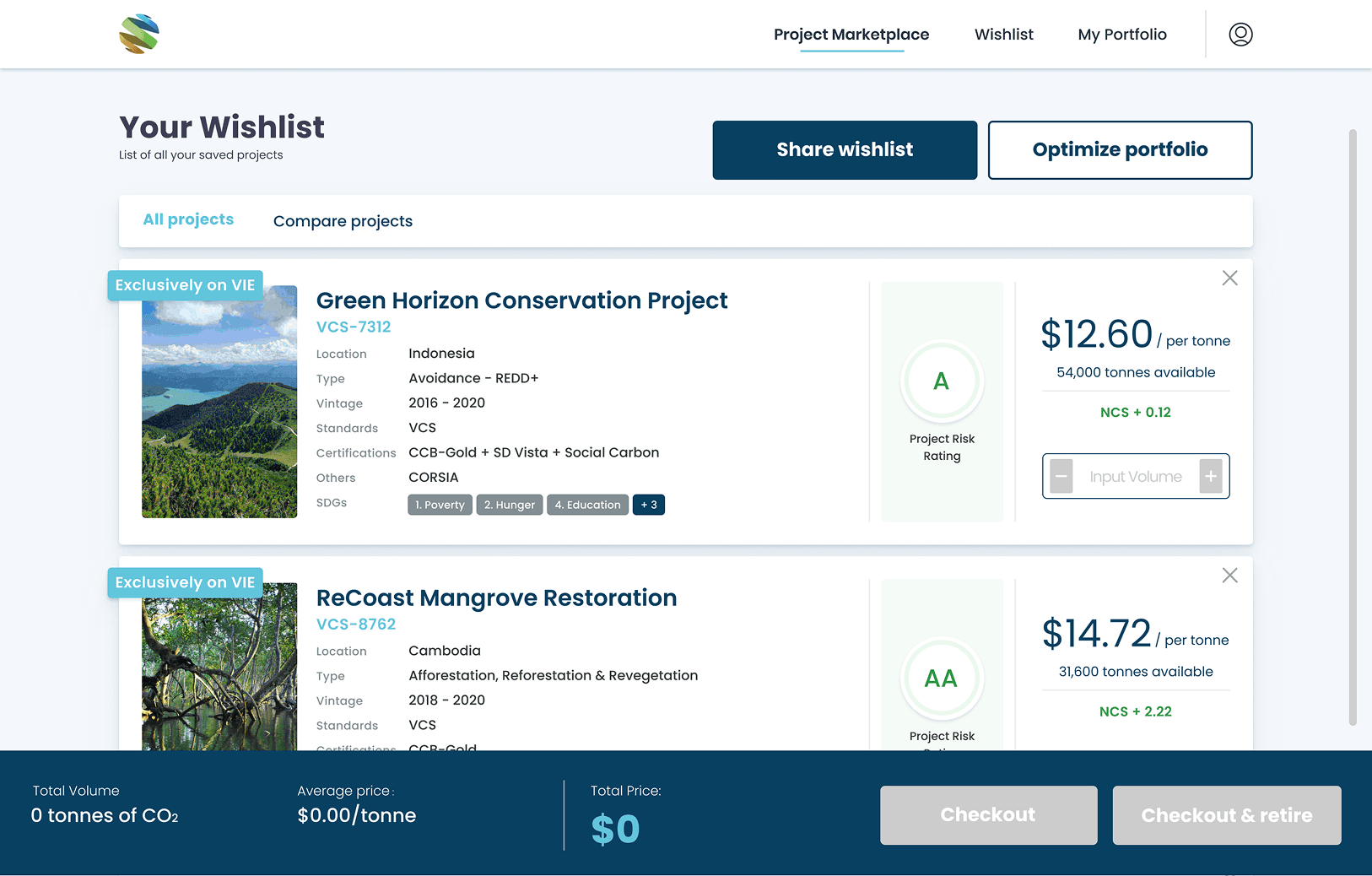
Within two weeks, after numerous stakeholder discussions, extensive reading, and desk research, we defined the requirements for the first round of user testing. As the sole designer working on the first phase of the project, I had to quickly refine the existing wireframes, improve the overall UX, and ensure our working prototype was ready for a productive user-testing session.
User & Business Needs
During the discovery phase, the team worked closely with the stakeholders to understand market needs, feasibility and business needs. That allow us to quickly make changes to existing wireframes for the first user testing, helping us further uncover user needs.
Primary Users: Carbon
Credit Buyers
Organisations seeking to offset their emissions, typically through projects aligned with their internal sustainability policies (e.g., SDGs, certification standards, vintage requirements).
Their needs:
Trust in project quality
Ability to compare and evaluate transparently
Easy procurement and documentation
Secondary Users: Sellers / Project Developers
Often grassroots organisations leading projects in conservation, reforestation, or renewables.
Their needs:
Accurately present project impact
Reach a broader pool of buyers
Maintain control of how their work is represented
Business Goals
CIX’s business goal was to create a brokerless platform that instils buyer confidence, standardises carbon project presentation, and enables secure, simple transactions.
From a UX perspective, our MVP aimed to allow users to:
Browse verified carbon projects
Understand each project’s offering
Compare projects meaningfully
Purchase and retire carbon credits
Support future growth through extensible, scalable design foundations
User & Business Needs
During the discovery phase, the team worked closely with the stakeholders to understand market needs, feasibility and business needs. That allow us to quickly make changes to existing wireframes for the first user testing, helping us further uncover user needs.
Primary Users: Carbon
Credit Buyers
Organisations seeking to offset their emissions, typically through projects aligned with their internal sustainability policies (e.g., SDGs, certification standards, vintage requirements).
Their needs:
Trust in project quality
Ability to compare and evaluate transparently
Easy procurement and documentation
Secondary Users: Sellers / Project Developers
Often grassroots organisations leading projects in conservation, reforestation, or renewables.
Their needs:
Accurately present project impact
Reach a broader pool of buyers
Maintain control of how their work is represented
Business Goals
CIX’s business goal was to create a brokerless platform that instils buyer confidence, standardises carbon project presentation, and enables secure, simple transactions.
From a UX perspective, our MVP aimed to allow users to:
Browse verified carbon projects
Understand each project’s offering
Compare projects meaningfully
Purchase and retire carbon credits
Support future growth through extensible, scalable design foundations
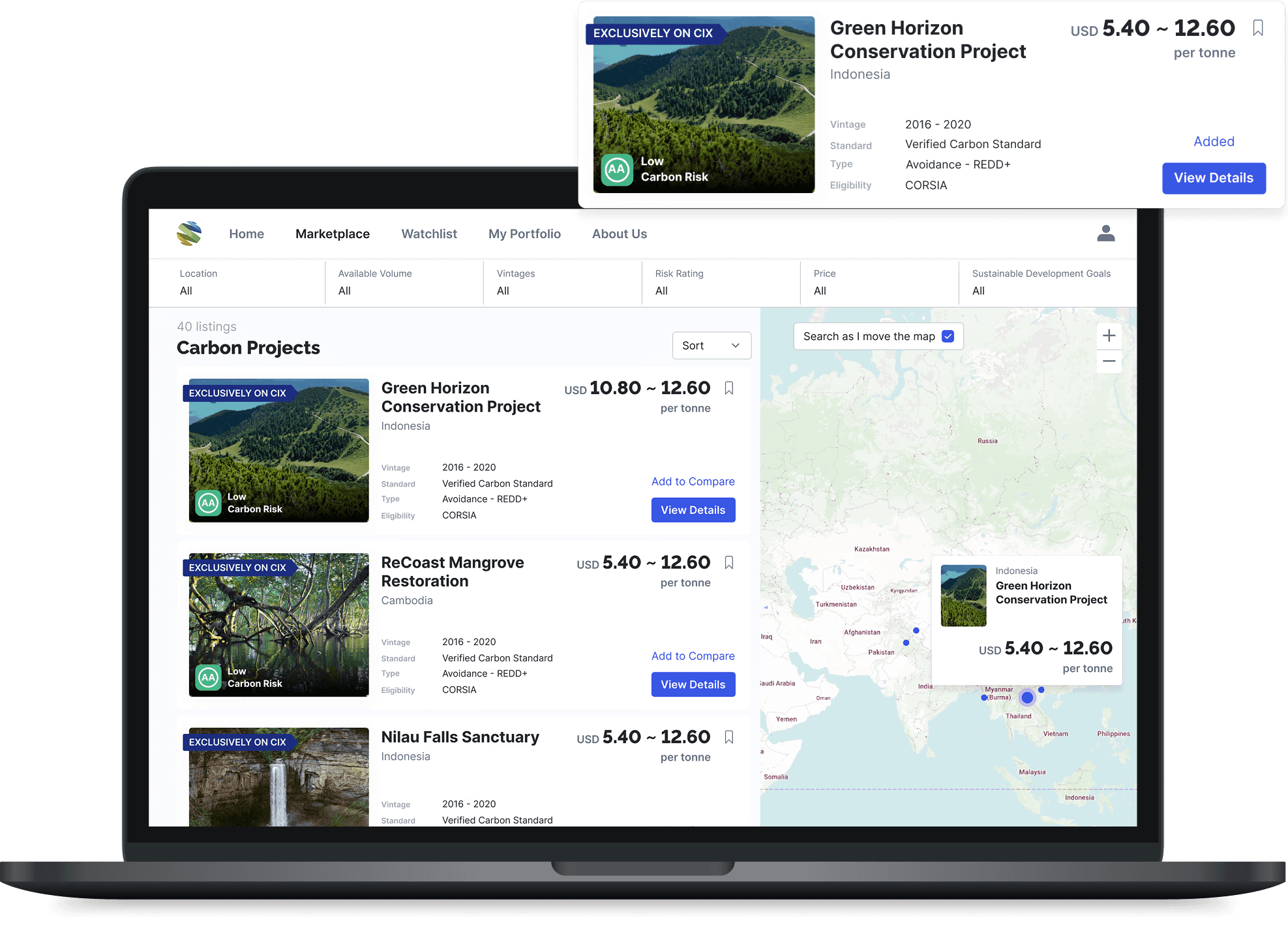
Here are some changes
I've made based on user insights:
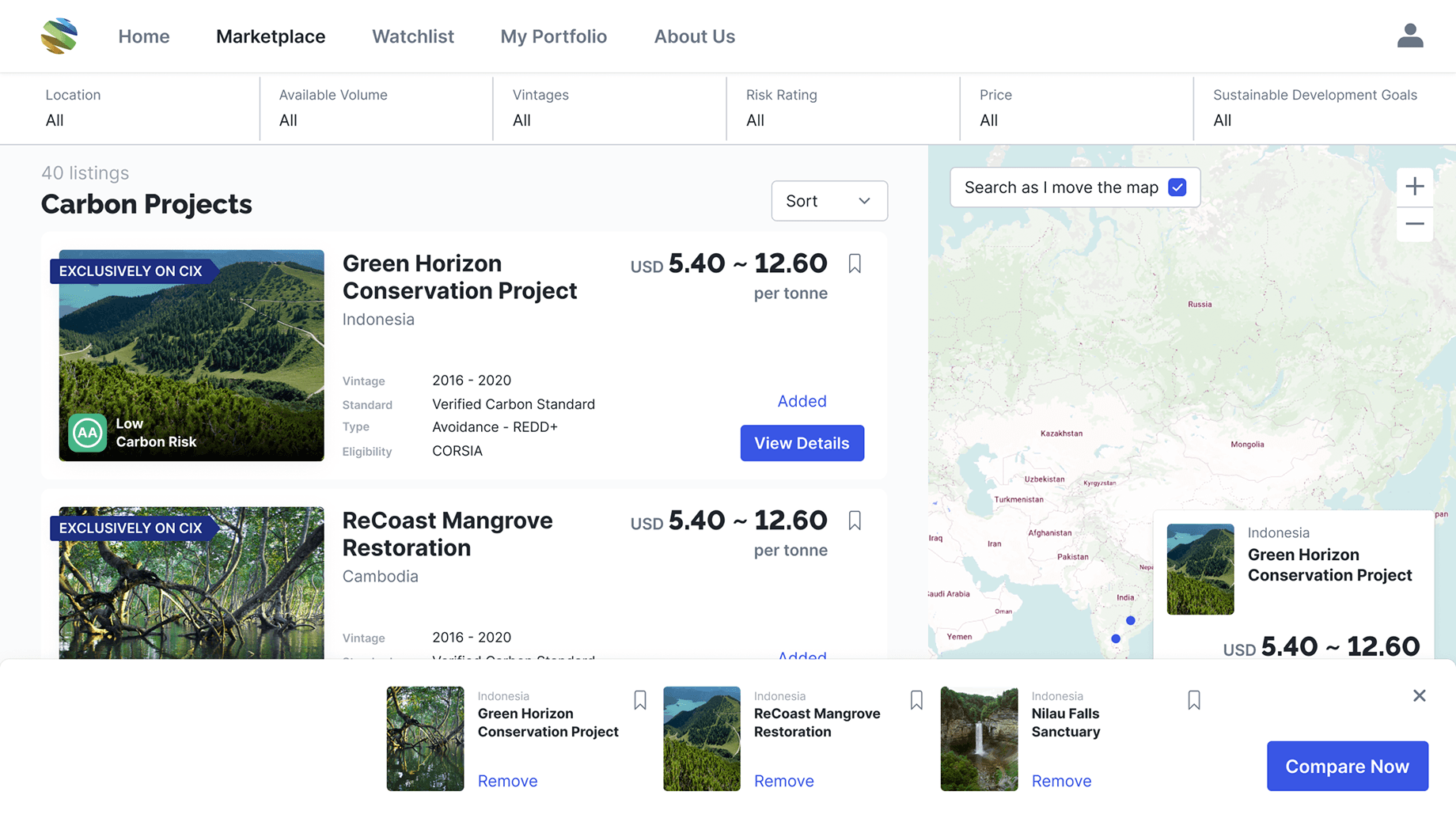
Location matters
Buyers want to see where projects are based in.
Design Changes: Added map view to the listing page to help Buyers visualise how many projects there are in the region and orientate Buyers to the part of the region where the project is situated.
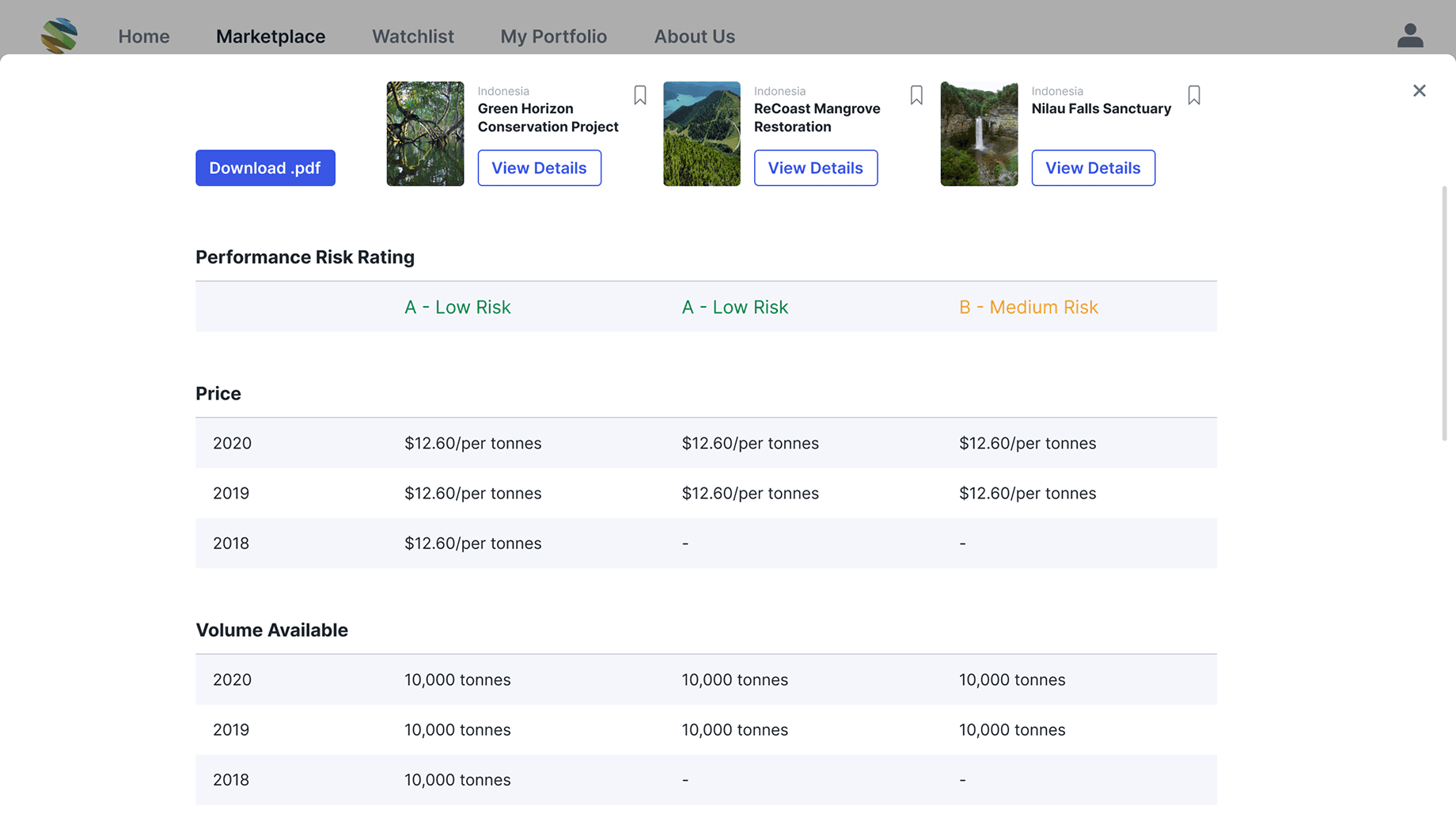
Comparison is key
Buyers want to compare similar projects side-by-side to understand differences in pricing, certification, and SDG alignment.
Design Changes: Introduced a comparison feature, capped at three projects as Buyers tend to compare similar projects - limiting the number of projects for comparison to a maximum of 3 projects makes it easier and more meaningful.
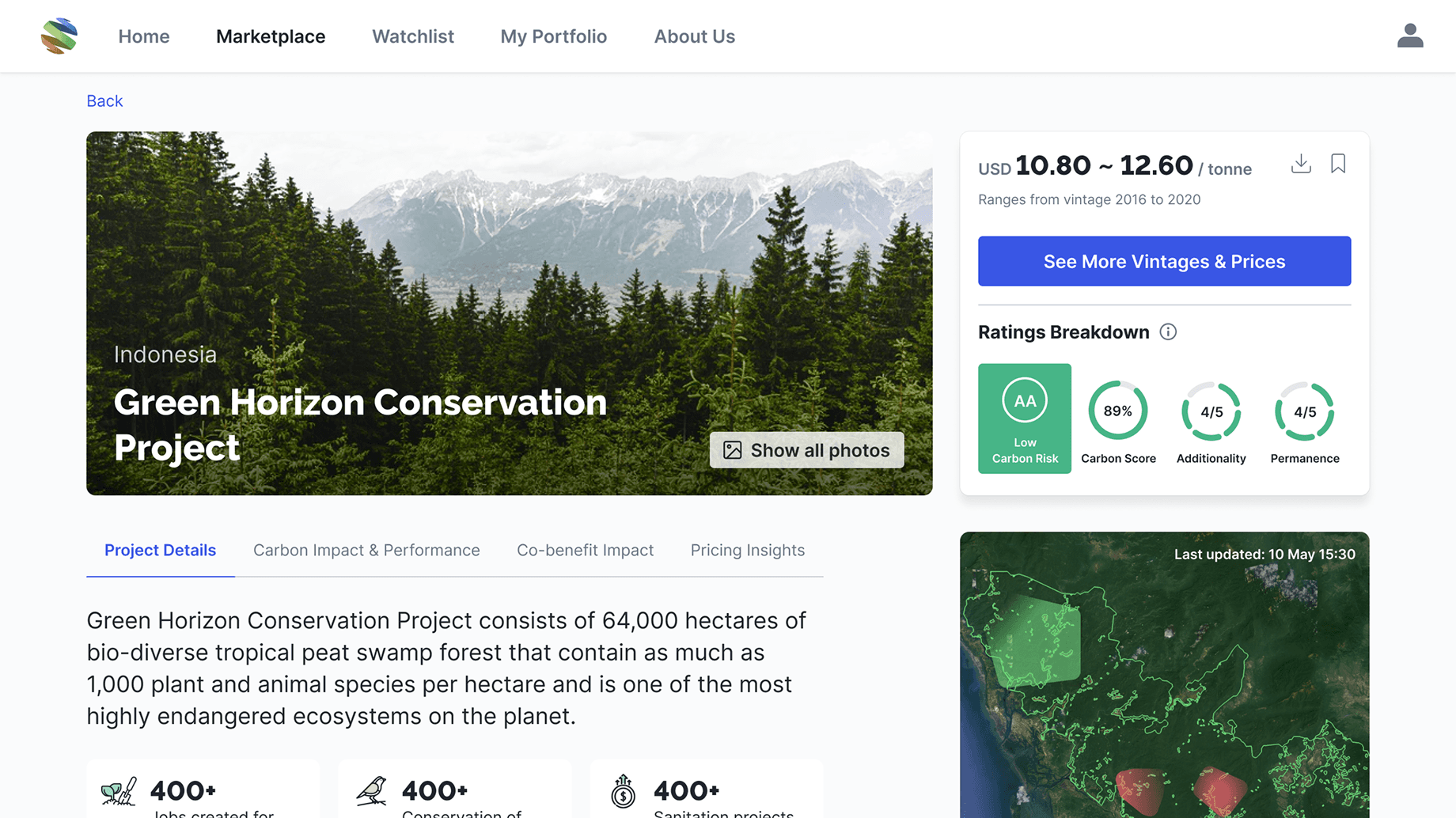
Transparency builds trust
Buyers want confidence in project quality without relying on a broker.
Design Changes: Integrated Sylvera ratings and surfaced verification data. Buyers generally trust the projects that CIX have put together even though they may not understand the technicalities.
Details need structure
Long scrolling pages overwhelmed users.
Design Changes: Introduced tabbed sections for clarity - Project Details, Impact & Performance, Co-benefits, Pricing Insights.
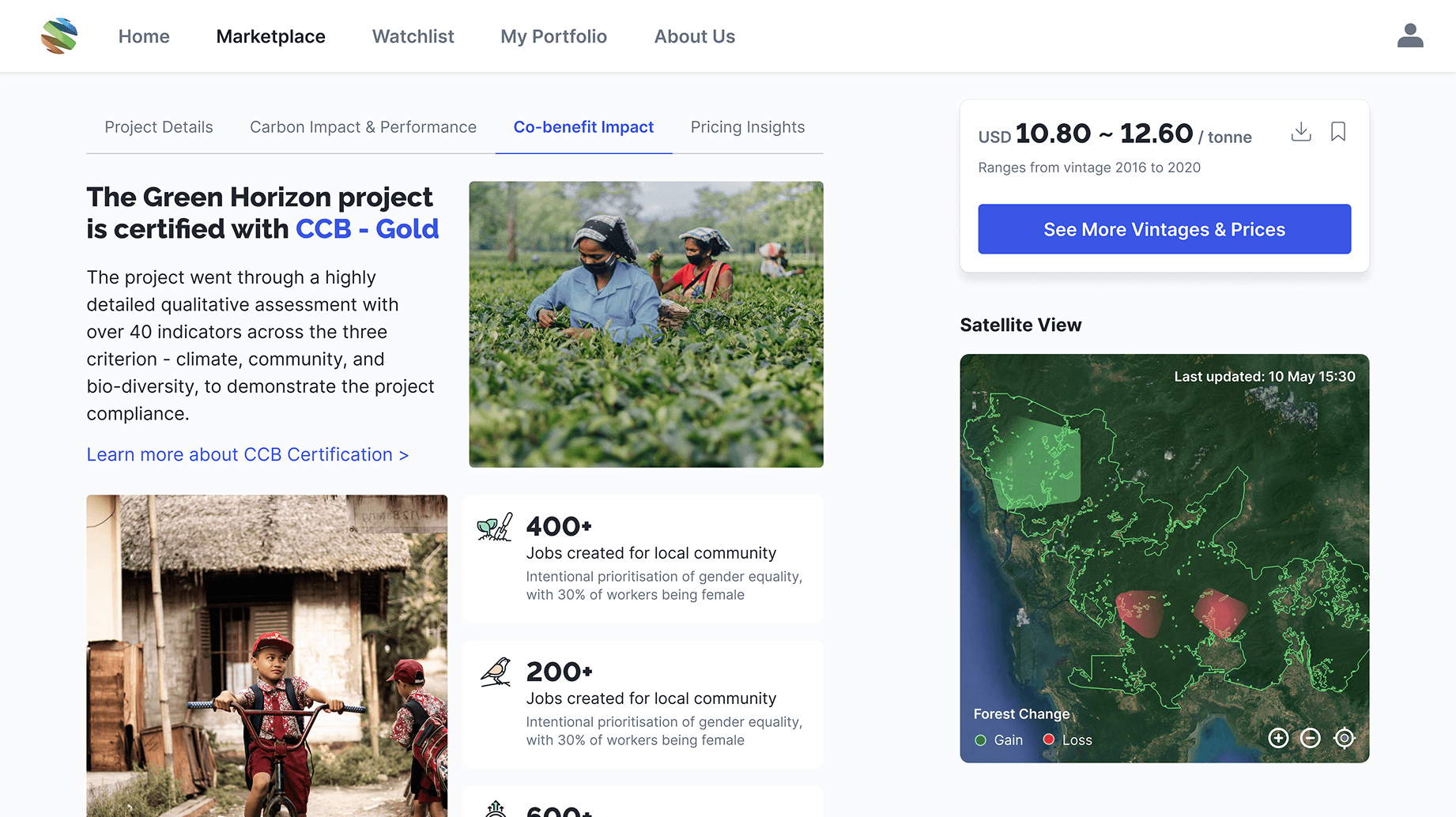
Storytelling drives engagement
Sellers want to showcase their broader impact and buyers want to know about the tangible impact.
Design Changes: By incorporating project photos, clearly highlighting the impact of each project, and providing richer descriptions of SDGs and co-benefits, it enables Sellers to tell a more complete story while helping Buyers better understand the real-world impact and activities behind
each project.
Here are some changes
we made based on
user insights:
Location matters
Buyers want to see where projects are based in.
Design Changes: Added map view to the listing page to help Buyers visualise how many projects there are in the region and orientate Buyers to the part of the region where the project is situated.
Comparison is key
Buyers want to compare similar projects side-by-side to understand differences in pricing, certification, and SDG alignment.
Design Changes: Introduced a comparison feature, capped at three projects as buyers tend to compare similar projects - limiting the number of projects for comparison to a maximum of 3 projects makes it easier and more meaningful.
Details need structure
Long scrolling pages overwhelmed users.
Design Changes: Introduced tabbed sections for clarity - Project Details, Impact & Performance, Co-benefits, Pricing Insights.
Transparency builds trust
Buyers want confidence in project quality without relying on a broker.
Design Changes: Integrated Sylvera ratings and surfaced verification data. Buyers generally trust the projects that CIX have put together even though they may not understand the technicalities.
Storytelling drives engagement
Sellers want to showcase their broader
impact and buyers want to know about the tangible impact.
Design Changes: By incorporating project photos, clearly highlighting the impact of each project, and providing richer descriptions of SDGs and co-benefits,
it enables Sellers to tell a more complete story while helping Buyers better understand the real-world impact and activities behind each project.
What I Learned
Structure empowers progress.
In complex projects, structure is essential. Setting up clear workflows, tools, and routines early helps teams move faster with less friction. But structure isn’t fixed, it should adapt to the team’s needs; understanding the people you're working with and tailoring the process so the project runs smoothly, not just efficiently.Design starts with understanding.
Good design is about clarity, not just aesthetics. The more I understood
how users worked, why they did things a certain way, and what mattered to them, the more confidently I could craft experiences that seamlessly fit into their workflows.
WANT TO KNOW MORE
ABOUT MY WORK?
DROP ME AN EMAIL AT ARISTA.KHOO@GMAIL.COM
What I Learned
Structure empowers progress.
In complex projects, structure is essential. Setting up clear workflows, tools, and routines early helps teams move faster with less friction. But structure isn’t fixed, it should adapt to the team’s needs; understanding the people you're working with and tailoring the process so the project runs smoothly, not just efficiently.Design starts with understanding.
Good design is about clarity, not just aesthetics. The more I understood how users worked, why they did things a certain way, and what mattered to them, the more confidently I could craft experiences that seamlessly fit into their workflows.
Established as
ASEAN’s
leading high-quality voluntary carbon marketplaces
since launch
Over 2,000,000 tonnes of carbon credits transacted within the first two years of launch
Enabled carbon
credit retirement
within minutes
Over 2,000,000 tonnes
of carbon credits transacted within the first two years of launch
Established as ASEAN’s
leading high-quality voluntary carbon marketplaces
since launch
Enabled carbon credit retirement
within minutes
WANT TO KNOW MORE
ABOUT MY WORK?
DROP ME AN EMAIL AT ARISTA.KHOO@GMAIL.COM
UX DESIGNER
&
STRATEGIST